




What is the Best Temperature for a Camping Fridge?

Camping is all about adventure, freedom, and reconnecting with the natural world. But let’s face it, no one wants to deal with spoiled food or warm drinks while out in the wild. That’s where a reliable camping fridge comes in handy. Whether you’re storing fresh ingredients for a gourmet campsite meal or keeping your drinks icy cold, setting and maintaining the best temperature for a camping fridge is essential. But what exactly is the best temperature for a camping fridge? Let’s dive in!
Why Camping Fridge Temperature Matters
The temperature of your portable fridge isn’t just about keeping things cold—it’s about safety, efficiency, and enjoying your camping experience. If your fridge is too warm, your food can spoil, leading to waste or even foodborne illnesses. On the other hand, if your fridge is too cold, you might end up with frozen veggies or rock-hard drinks, which isn’t ideal either.
Getting the best temperature for a camping fridge ensures:
Food Safety: Perishable items such as meat, dairy, and fresh produce need to be stored at specific temperatures to remain safe to eat.
Energy Efficiency: Running your fridge at the optimal temperature prevents it from overworking, preserving battery life, and saving you from unnecessary power consumption.
Enjoyment: Nobody wants to bite into a frozen tomato or sip a lukewarm soda. Keeping your food and drinks at the best temperature with a camping fridge enhances your overall camping experience.
What Is the Best Temperature for Camping Fridge

So, what’s the magic number? For most camping fridges, the optimal temperature for the fridge compartment is between 37°F and 41°F (3°C to 5°C). This range keeps your food fresh and safe to eat without the risk of freezing.
If your camping fridge has a freezer compartment, you’ll want to set it to 0°F (-18°C) for long-term storage of frozen goods, such as ice cream, meat, or pre-prepped meals.
Here’s a quick breakdown:
Fridge Compartment: 37°F to 41°F (3°C to 5°C)
Freezer Compartment: 0°F (-18°C)
How to Maintain the Best Temperature in Your Camping Fridge
Maintaining the best temperature for a camping fridge can be a bit tricky, especially when you’re dealing with fluctuating outdoor temperatures, limited power sources, and frequent fridge openings. Here are some practical tips to help you keep your fridge at its optimal temperature during your camping adventures:
1. Pre-Chill Your Fridge and Items
Before heading out on your camping trip, plug in your fridge at home and let it reach the best temperature for a camping fridge. Pre-chill any food or drinks you plan to store. Starting with cold items reduces the workload on your fridge, helping it maintain a consistent temperature once you’re on the road.
2. Pack Smart
How you pack your fridge matters. Here are a few tips:
- Organize Strategically: Place frequently used items, like drinks or snacks, near the top or front for easy access. This minimizes the time the fridge door stays open.
- Avoid Overpacking: While it’s tempting to cram in as much as possible, overpacking restricts airflow, making it harder for your fridge to maintain the ideal temperature for camping.
- Use Ice Packs: If your fridge lacks a freezer compartment, consider using ice packs to help maintain a cool temperature, particularly when power is limited.
3. Monitor the Temperature
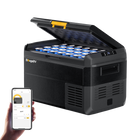
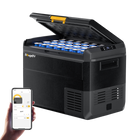
Most high-quality camping fridges come with built-in temperature displays or even app connectivity. Make it a habit to check the temperature regularly to ensure it stays within the best temperature for a camping fridge. If your fridge doesn’t have a display, consider investing in a portable fridge thermometer.
4. Keep the Fridge Out of Direct Sunlight
The location of your fridge can significantly impact its performance. Try to keep it in a shaded area or under a canopy to prevent it from working overtime in the heat. If you’re camping in an RV or car, ensure there’s proper ventilation around the fridge to avoid overheating.
5. Limit Door Openings
Every time you open the fridge, warm air rushes in, causing the internal temperature to rise. Be mindful of how often you open it and try to plan to grab everything you need in one go.
6. Optimize Power Usage
Camping fridges often run on 12V power from your vehicle or a portable battery. To maintain the best temperature for a camping fridge without draining your power source, consider:
- Use a solar panel setup to recharge your battery during the day.
- Running the fridge on AC power when you’re at a powered campsite.
- Investing in an energy-efficient fridge, like the BougeRV 12V refrigerators, which are designed to perform well even with limited power.
7. Adjust for Outdoor Conditions
If you’re camping in extreme heat or cold, you may need to adjust your fridge’s settings slightly. For example:
- In hot weather, set your fridge to a lower temperature, closer to 37°F (3°C), to counteract the higher ambient temperature.
- In cold weather, make sure your fridge doesn’t dip below freezing unless you’re intentionally using the freezer compartment.

Final Thoughts
Setting the optimal temperature for your camping fridge may seem like a minor detail, but it can significantly enhance your camping experience. By maintaining your fridge within the ideal range of 37°F to 41°F (3°C to 5°C) and following the tips outlined above, you can ensure a worry-free adventure every time.
Ready to upgrade your camping setup? Explore our full range of camping refrigerators and start your journey with confidence. Here’s to good food, great company, and unforgettable moments in the great outdoors!
FAQs
1. How do I properly maintain my camping fridge?
To keep your camping fridge running smoothly and extend its lifespan, follow these maintenance tips:
- Clean the Fridge Regularly
- Check the Seals
- Avoid Overloading
- Monitor Ventilation
- Inspect Power Sources
2. What Is the Best RV Refrigerator Temperature?
The best RV refrigerator temperature is typically around 37°F to 40°F (3°C to 4°C). This range helps keep perishable foods cold without unnecessarily increasing energy consumption or causing some foods to freeze.
3. How Long Does It Take an RV Fridge to Reach the Right Temperature?
The time required varies by refrigerator type, starting temperature, ambient conditions, and how much food is inside. It is generally best to turn the refrigerator on and allow it to reach the desired temperature before loading it with perishable food. Pre-chilling food and drinks can also reduce the cooling workload.
4. How can I save power when using my camping fridge?
To conserve power while using your camping fridge:
- Pre-chill your fridge and the items you plan to store before your trip.
- Use a solar panel or portable battery to recharge during the day.
- Keep the fridge in a shaded area and avoid direct sunlight.
- Limit how often you open the fridge door.
5. Should I Set My RV Fridge Colder in Summer?
You may need to adjust your RV fridge to a colder setting during hot weather because higher ambient temperatures can make it harder for the refrigerator to maintain its target temperature. However, avoid setting it unnecessarily low, as this can increase energy use and may cause some food to freeze.


